What Is the Best Solar Array Tracking System in 2026?

Time:2026-10-16 Author:Amelia
0%

As solar deployment accelerates, choosing the best Solar Array Tracking System in 2026 requires more than comparing headline efficiency. The International Energy Agency’s Renewables 2024 report forecasts continued record solar additions through 2030. The IEA PVPS Trends in Photovoltaic Applications 2024 report also confirms photovoltaics remain the fastest-growing electricity technology worldwide. More capacity means tighter scrutiny of land, maintenance, grid access, and project finance.

In the United States, Berkeley Lab’s Utility-Scale Solar report shows single-axis tracking remains dominant in large photovoltaic projects. That pattern reflects practical experience: trackers can capture more morning and afternoon sunlight, especially when modules rotate across a dry, open field. Dan Shugar, founder of Nextracker, described tracking as “the largest single lever to increase solar plant output.” His point is persuasive, but not universal. Wind loading, terrain, soil conditions, backtracking losses, and motor reliability can change the result. More energy is not automatically better value.

This guide compares tracker architectures, yield models, operating risks, and long-term service requirements. It considers independent engineering evidence, not only vendor brochures. A low-cost system may look attractive beside a red-dirt access road, yet difficult repairs can erase its advantage. That is where analysis becomes less comfortable. The best Solar Array Tracking System may differ by latitude, climate, module format, and financing structure. Readers should test every claim against site-specific data, current manufacturer warranties, and independent production estimates before making a final decision.
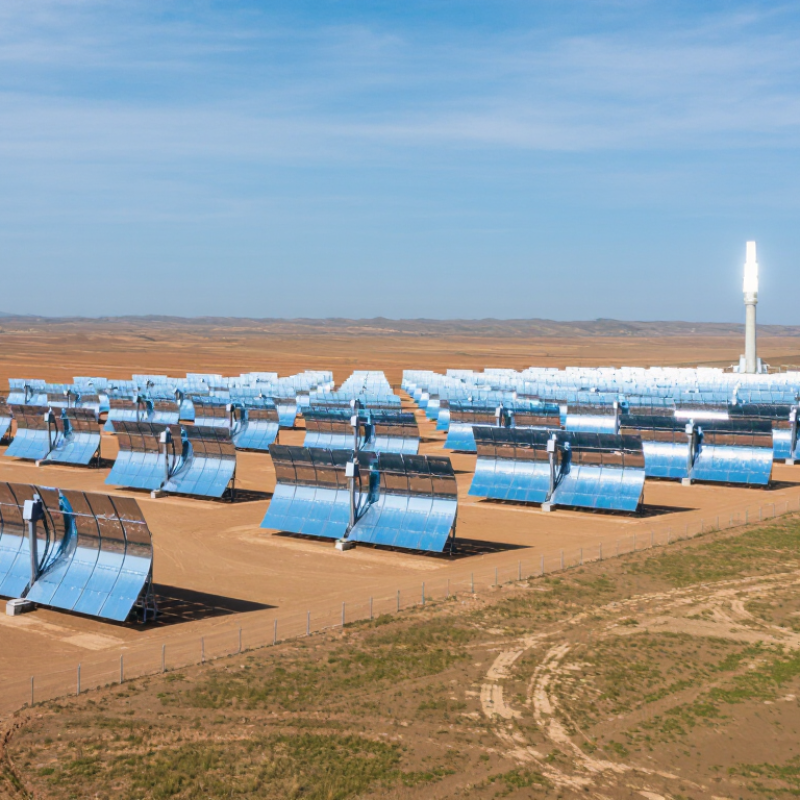
What Is the Best Solar Array Tracking System in 2026?

What Solar Array Tracking Systems Are and How They Work

A solar array tracking system changes the angle of photovoltaic panels during the day. It follows the sun instead of holding panels at one fixed tilt. The goal is simple: keep sunlight closer to the panel’s strongest angle. Single-axis trackers rotate from east to west. They are common on large, open sites because they balance energy gains, cost, and mechanical complexity. Dual-axis trackers also adjust elevation. They can capture more sunlight, but their extra moving parts require careful inspection.

A controller receives data from light sensors, astronomical calculations, or both. It then signals motors or hydraulic drives to move each row. At night, panels return to a morning position. During strong wind, the system may enter a safe, flatter position. This protection is called stow mode. Some systems also use backtracking, which slightly changes the panel angle to reduce row-to-row shading. Small details matter. Uneven ground can increase installation difficulty.

In 2026, the best system depends on land, weather, labor access, and electricity prices. A tracker may perform well in dry, sunny regions, yet offer less value where clouds dominate. Dust can weaken sensors. Motors consume some energy. Software predictions are useful, but not perfect. From practical project reviews, maintenance access often matters more than a small theoretical yield increase. I would check wind history, snow loads, drainage, spare-part availability, and service records before choosing. A higher output number alone can mislead.♀♀♀♀♀♀

Which Tracking Technologies Are Available in 2026

In 2026, solar tracking systems range from fixed-tilt structures to intelligent dual-axis platforms. The practical choice depends on land, climate, maintenance access, and energy prices. There is no universal winner.

Horizontal single-axis trackers remain popular for large, flat projects. They rotate panels from east to west during the day. This design usually offers a useful gain without extreme mechanical complexity. Backtracking can reduce row-to-row shading on uneven sunlight angles. However, strong wind may require safe night positions and frequent inspections.

Vertical single-axis trackers suit some high-latitude or sloped sites. Their value changes with seasonal sun paths. Dual-axis trackers follow both daily and seasonal movement. They can capture more direct sunlight, but motors, bearings, and control systems add failure points. I have seen small alignment errors reduce expected gains more than project models suggested. Sensor-based controls respond to real light conditions, while astronomical algorithms calculate the sun’s position. Hybrid systems can compare both inputs and protect the array during cloudy periods. Newer platforms may use weather forecasts to adjust stow decisions, but forecasts are not perfect. A brief control failure still matters. Site engineers should check wind loading, dust buildup, drainage, cable movement, and replacement access before selecting technology. A slightly less productive tracker may deliver more reliable lifetime output. Testing one section through a full season can expose assumptions that spreadsheets miss.

How Tracking Accuracy and Energy Gain Differ by System Type

The best solar array tracking system in 2026 depends on terrain, weather, and required accuracy. Single-axis tracking usually offers 15–25% more annual energy than fixed-tilt arrays, according to yield ranges reported by IEA PVPS Task 13 and Fraunhofer ISE. It is often the practical choice for large, flat sites.

Dual-axis tracking can deliver roughly 25–40% more energy than fixed systems in high-direct-irradiance regions. However, greater movement does not guarantee better performance. A small position error can reduce morning and afternoon output. Backtracking also matters. It prevents row shading on uneven ground, but overly conservative movement can leave energy unused. Field commissioning experience shows that wind stow settings, encoder calibration, and terrain maps often influence yield more than brochure accuracy. The figures are not universal.

Tips: Compare measured plane-of-array energy, not only tracking angles. Request 12 months of site-specific simulations. Check accuracy during low-light periods and after strong winds. A system rated at 0.1 degrees may perform worse if sensors drift. That detail is easy to miss. Also, NREL’s utility-scale PV cost and performance research indicates that operational reliability strongly affects lifetime value. More energy is useful only when the tracker remains available.

How Site Conditions and Panel Design Affect System Selection

Choosing the best solar array tracking system in 2026 depends on site conditions and panel design. It is not always the most advanced option.

A flat, open site with strong sunlight may suit a single-axis tracker. It can follow the sun across the day and improve energy capture. However, steep slopes, uneven ground, or scattered shading can increase installation difficulty. High-wind regions also need strong foundations and safe stow positions. Areas with heavy snow may require larger clearances and simpler maintenance access. A dual-axis system can capture more sunlight, but its extra moving parts demand careful inspection.

Tips: Measure the site before selecting equipment. Record slope, wind exposure, snow depth, soil strength, and morning or afternoon shadows. Review the panel design too. Bifacial panels may benefit from bright ground surfaces and wider row spacing. Large modules can increase output, but they may create greater wind loads. Narrow rows are not always better.

Field assessments often uncover problems that satellite images miss. Workers may struggle to reach motors between tightly packed rows. Dust can reduce performance faster than expected. A lower-output design may prove more reliable when spare parts and technicians are limited. Energy models should include realistic cleaning schedules, terrain losses, and seasonal weather. Some early estimates feel too optimistic. That is worth questioning.

How Costs, Maintenance, and Reliability Determine the Best Choice

What Is the Best Solar Array Tracking System in 2026?

The best tracker is not always the one producing the most energy. Cost, maintenance, and reliability should guide the decision. Single-axis systems often provide strong output gains with fewer moving parts. Dual-axis systems can capture more sunlight, but their extra motors and controls increase installation costs. Site conditions matter greatly. A flat, sunny field may justify tracking, while a shaded or windy site may not.

Maintenance deserves careful attention. Inspectors should check bearings, actuators, wiring, and software alerts at planned intervals. Dust, snow, and corrosion can reduce movement accuracy. One small fault may leave an entire row facing the wrong direction.

Energy forecasts should include downtime, replacement parts, labor, and monitoring fees. No tracker is perfect. A lower-cost system may still lose value if repairs require specialist technicians or long delivery times.

Tips: Compare total ownership cost over 20 years, not only the purchase price. Ask for verified performance data from similar climates. Check wind-load ratings and available spare parts. Keep a maintenance log with inspection dates, fault codes, and lost production. Leave room for doubt. Real output can differ from sales estimates because weather rarely follows a model.

FAQS

What does a solar array tracking system do?

It changes panel angles during the day. Panels follow the sun. This keeps sunlight closer to the panels’ strongest angle.

How do single-axis and dual-axis trackers differ?

Single-axis trackers rotate from east to west. They usually suit large, open, fairly flat sites. Dual-axis trackers also adjust elevation. They can capture more sunlight, but their extra parts need more inspections.

How much additional energy can tracking provide?

Single-axis systems may produce 15–25% more annual energy than fixed panels. Dual-axis systems may provide 25–40% more in sunny regions. These figures are not universal. Clouds, terrain, and downtime can change the result.

How does a tracker know where to point?

A controller uses light sensors, astronomical calculations, or both. It sends signals to motors or hydraulic drives. Sensors can drift after dust exposure. Small errors matter.

What is stow mode, and why is it useful?

Stow mode moves panels into a safer, flatter position during strong winds. At night, panels usually return to a morning position. This reduces mechanical stress. It is protection, not magic.

What does backtracking prevent?

Backtracking changes panel angles slightly to reduce row-to-row shading. It helps when rows stand close together. Uneven land makes its settings more important. Overly cautious movement may waste some sunlight.

Which site conditions should be checked before choosing a tracker?

Review sunlight, wind history, snow loads, drainage, and ground slope. Check whether maintenance crews can reach every row. A dry, sunny field may benefit greatly. A windy or shaded site may not.

What maintenance does a tracking system require?

Inspect bearings, actuators, wiring, sensors, and software alerts regularly. Remove dust and check for corrosion. Keep records of dates, fault codes, and lost production. One small failure can turn an entire row away from the sun.

How should the total cost of a tracker be evaluated?

Compare purchase, installation, labor, monitoring, repairs, and replacement parts. Use a 20-year ownership estimate. Ask about delivery times for spare parts. The cheapest system may become expensive later. That possibility deserves more thought.

Conclusion

Choosing the best Solar Array Tracking System in 2026 requires more than comparing energy output alone. These systems adjust the position of solar panels to follow the sun, improving the amount of sunlight captured throughout the day. Available options include single-axis and dual-axis tracking, with each offering different levels of movement, accuracy, energy gain, and mechanical complexity. Single-axis systems are often suitable for large, relatively open sites, while dual-axis designs may provide greater precision where maximum solar capture is the priority.

The right choice also depends on local conditions and panel design. Factors such as land shape, wind exposure, temperature, soil quality, shading, and panel layout can significantly affect performance. Costs, installation requirements, maintenance access, durability, and long-term reliability are equally important. Ultimately, the best system balances additional energy production with practical site needs, lifecycle expenses, and dependable operation rather than focusing on tracking accuracy alone.


Amelia

Amelia

Amelia is a seasoned marketing professional with a wealth of expertise in our company’s core offerings. With an unwavering passion for driving growth and innovation, she plays a pivotal role in shaping our marketing strategies and enhancing brand visibility. A key aspect of her responsibilities......