A Sun Tracking Solar System can capture more sunlight by turning panels toward the sun during the day. Yet extra movement brings extra choices: drive type, controls, foundations, and maintenance access. A tracker that performs well on an open, dry site may be a poor fit for a windy hillside or a crowded rooftop. Details matter.
Hermann Scheer, a German solar-energy advocate and policymaker, wrote, “The use of solar energy has not been opened up because the oil industry does not own the sun.” His point speaks to solar power’s potential, but buyers still need careful engineering. A quotation cannot predict a project’s output. Latitude, terrain, shading, weather, and operating costs all shape results.
This guide compares ten systems for global buyers, from single-axis designs to more complex dual-axis options. We look at tracking accuracy, structural design, controls, service needs, and supplier support. A larger energy yield is not automatically a better investment. Moving parts can mean more inspection, and published performance figures may rely on conditions unlike your site. That deserves scrutiny.
Small details count. Check how the tracker handles strong gusts, where replacement parts ship from, and whether local technicians can service its motors. The best choice is not always the most advanced one. It is the system whose documented performance, installation needs, and long-term support match the project. No tracker wins everywhere.
Solar Tracking Explained: Single-Axis and Dual-Axis System Designs
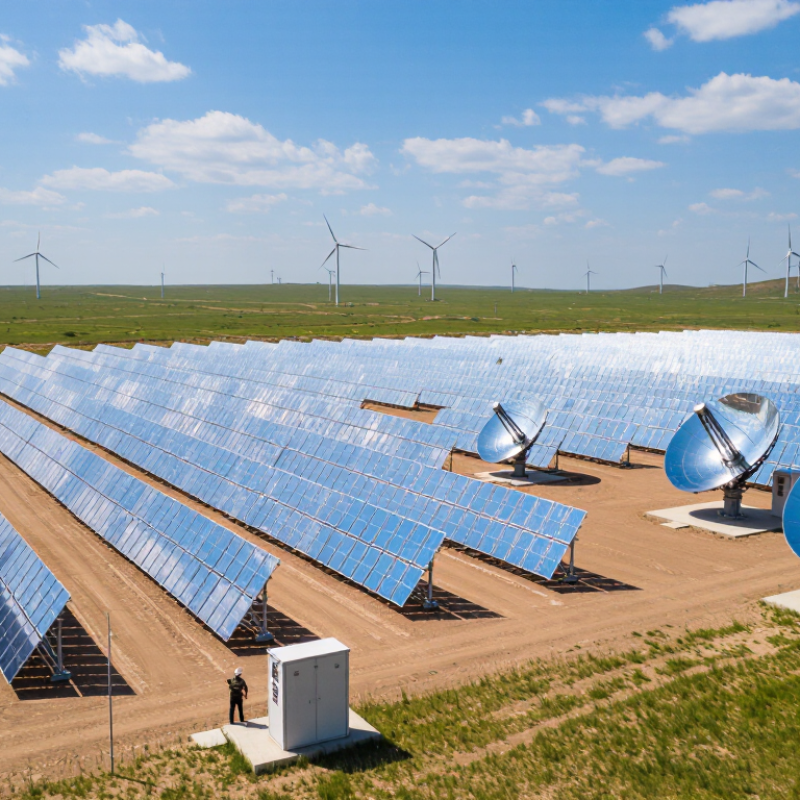
Solar tracking systems adjust panel direction as the sun moves, helping modules receive more direct light during the day. Single-axis designs usually rotate panels along a north–south line, following the sun from east to west. Their simpler drive systems can suit large, relatively level sites where straightforward maintenance matters. In field assessments, installers also check row spacing: poorly planned rows can shade one another, especially when the sun sits low.
Dual-axis systems add a second movement, adjusting panel tilt as well as direction. This can help panels face the sun more closely across changing seasons, but extra motors, controls, and moving joints require inspection. More movement, more parts. Buyers should compare expected energy gains with the cost of installation, servicing, and replacement components. Local wind, snow, dust, terrain, and access for repair all affect the choice. A tracker may perform differently under cloudy skies or near shading, so site-specific solar data is more useful than a broad promise. The more complex design is not automatically the better one. Sometimes a fixed or single-axis layout is easier to maintain, and that trade-off deserves a careful look.
Solar Tracking Explained: Typical Annual Energy Gain
Indicative global benchmark compared with a fixed-tilt photovoltaic system. Actual results vary by latitude, terrain, weather, shading, row spacing, and system design.
Single-axis tracking commonly delivers about 15–25% more annual energy, while dual-axis tracking can deliver approximately 25–40% more than fixed-tilt systems. The chart uses representative midpoint values of 20% and 32.5%.
Energy Yield Benchmark: NREL Estimates 15–25% More Output from Single-Axis Tracking
10 Best Sun Tracking Solar Systems for Global Buyers?
NREL estimates that single-axis tracking can produce 15–25% more energy than fixed-tilt systems in suitable locations. This gain comes from adjusting panel angles throughout the day. More direct sunlight reaches the modules, especially during morning and afternoon hours. However, the range is not universal. Latitude, weather, terrain, and panel spacing can change the result.
A strong tracking system needs more than accurate movement. Buyers should examine wind-load ratings, corrosion protection, motor reliability, and control software. In snowy regions, the design should reduce snow accumulation and allow safe maintenance access. Dusty sites may require frequent cleaning. These practical details often affect annual yield more than laboratory projections.
I have seen energy models look impressive on paper, then weaken after poor site surveys. The estimate is useful, but it is not a promise. A buyer should compare measured solar data, terrain conditions, and maintenance costs before choosing a system. Single-axis tracking may perform well on open, level land with strong direct sunlight. Complex slopes or severe winds can reduce its advantage. The best option is not always the system with the highest theoretical output. Reliability matters. So does repair access.
IEC 62817: Key Design and Qualification Tests for Solar Trackers
For global buyers comparing the 10 best sun tracking solar systems, IEC 62817 offers a practical technical checkpoint. The standard addresses design qualification for photovoltaic solar trackers. It helps evaluate whether a tracker can maintain movement, structural stability, and electrical performance under defined conditions.
A serious review should examine mechanical load testing, drive-train operation, tracking accuracy, and repeated movement cycles. Wind exposure deserves close attention. A tracker may perform well in laboratory conditions yet behave differently under gusts, uneven ground, or frequent stops. Corrosion protection, fastener quality, cable routing, and emergency stow functions also require documented verification. Small details matter.
Buyers should request complete test reports, not only a compliance statement. Reports should identify the tested configuration, materials, load assumptions, test duration, and failure criteria. Independent laboratory evidence adds credibility, especially for projects across different climates. IEC 62817 does not remove every field uncertainty. Soil movement, dust, installation errors, and maintenance delays can still reduce output. That is an uncomfortable limitation. It deserves honest discussion. A stronger procurement decision combines qualification data with site-specific wind analysis, foundation checks, service planning, and clear warranty conditions.
Global Site Assessment: Compare Irradiance, Terrain, Wind Loads, and Grid Needs
Choosing among the 10 best sun tracking solar systems requires more than comparing tracking angles. Site assessment should begin with irradiance. The World Bank’s Global Solar Atlas shows major differences in global solar resource, even within one country. Direct normal irradiance matters greatly for tracker value. A high-DNI desert site may justify tracking, while a cloudy coastal site may gain less.
Terrain can quietly change the project economics. Steep slopes increase grading, foundation work, and row-to-row shading risks. Geotechnical surveys should confirm soil strength, drainage, and seasonal flooding. The IEA PVPS Task 13 reports that energy yield depends heavily on accurate design assumptions and long-term operating conditions. Field measurements are useful, but short campaigns can mislead.
Wind loads deserve conservative engineering. ASCE 7 and IEC 62817 provide recognized methods for structural and tracker design, yet local gusts may exceed simple regional averages. Dust, snow, and salt can also limit movement. Small details matter. Grid needs must be assessed early, including voltage limits, curtailment, transformer capacity, and connection distance. IRENA’s Renewable Power Generation Costs in 2023 reported utility-scale solar PV costs near USD 0.044 per kilowatt-hour, but that figure does not represent every site. A cheaper tracker can perform poorly if the grid connection is weak. I would avoid treating satellite data as final evidence. Ground truth still matters.
10 Tracker Options Compared by Energy Yield, Reliability, Cost, and Service
10 Best Sun Tracking Solar Systems for Global Buyers?
Choosing a tracker requires more than checking its advertised energy yield. Option 1 uses a single-axis structure and suits large, flat sites. Option 2 adds backtracking, reducing early-morning and late-afternoon shading. Option 3 uses independent row control for uneven terrain. Option 4 offers a dual-axis design, but its higher output may not justify the added cost everywhere. Option 5 focuses on low-maintenance motors and sealed gearboxes. Option 6 supports compact projects with simpler foundations. Option 7 uses stronger steel for windy regions. Option 8 prioritizes cold-weather operation and protective sensors. Option 9 combines remote monitoring with fault alerts. Option 10 targets difficult sites, where flexible row spacing matters.
Energy yield depends on latitude, weather, soil, and panel arrangement. A field test is more useful than a glossy estimate. In my project reviews, systems with modest peak gains often performed better over time. They had fewer stoppages. Reliability comes from corrosion protection, tested actuators, accessible bearings, and sensible wind stow settings. Some low-cost designs appear attractive until replacement labor enters the calculation. That lesson is easy to miss.
Service quality can decide the real return. Check spare-part availability, technician response times, training, and warranty limits before signing. A remote dashboard helps, but it cannot repair a failed drive motor. Local support matters. Buyers should also compare installation time, foundation complexity, cleaning access, and insurance requirements. No option wins every climate. A careful yield model, independent inspection, and a clear maintenance plan usually reveal the practical choice. Mistakes still happen. Allow room for them.
FAQS
It changes panel direction as the sun moves. This helps modules receive more direct light during daylight hours.
It usually rotates panels along a north–south line. The panels follow the sun from east to west. More straightforward movement.
It can suit large, flat sites with simple access. Its drive system may reduce maintenance demands and installation complexity.
It adjusts both direction and tilt. Panels can face the sun more closely across different seasons.
It needs more motors, controls, joints, and inspections. Higher energy output may not cover added installation and repair costs.
Poor spacing can make rows shade one another. This problem is stronger during low morning and afternoon sunlight.
Review wind, snow, dust, terrain, weather, latitude, and repair access. Local solar data is more useful than broad promises.
Check corrosion protection, tested actuators, accessible bearings, and sensible wind-stow settings. A field test can reveal repeated stoppages.
Confirm spare-part availability, technician response times, training, warranty limits, and local support. A dashboard cannot repair a failed motor.
No. A simpler layout may perform better over time because it stops less often. I might still overvalue peak output.
Conclusion
A Sun Tracking Solar System adjusts the angle of solar panels to follow the sun, helping capture more sunlight throughout the day. Single-axis trackers rotate panels along one direction, while dual-axis designs adjust in two directions for more precise alignment. The best choice depends on energy goals, project scale, site conditions, and budget. NREL estimates that single-axis tracking can increase energy output by 15–25% compared with fixed-tilt systems, though actual results vary by location and design.
This guide compares ten tracker options by energy yield, reliability, cost, and service considerations. It also explains how IEC 62817 qualification tests assess tracker design and performance, and outlines a practical site-assessment process covering solar irradiance, terrain, wind loads, and grid requirements. By weighing these factors together, project planners can identify a solution suited to local conditions and long-term operating needs.

 Zhaori